Wakayama Region

logo de GI wakayama

Wakayama Prefecture, land of ume, Japanese plums.

A region intended for the production of Umeshu

The Wakayama region is located in the southwest of Honshu Island. To the east, it faces the Seto Inland Sea and the Pacific Ocean, while to the west, it is dominated by the Kii mountain range, which makes up almost 80% of its total area. This hilly landscape is ideally suited to plum cultivation; Wakayama alone produces 65% of Japan’s ume plums.

From these ume, producers utilize over 400 years of expertise, a true Japanese national treasure, to produce umeshu. In September 2020, Japan’s national reference agency granted the Geographical Indication designation to umeshu produced in Wakayama Prefecture, “Geographical Indication Wakayama Umeshu.” This is the very first Japanese liqueur to have obtained this prestigious label.

About the Umeshu of Wakayama

About the Umeshu

Umeshu is a liqueur made from Japanese plums, called ume. While the Japanese often drink it mixed with cold or hot water, internationally, umeshu is preferred in cocktails. It is also increasingly offered neat, appearing on the menus of Michelin-starred restaurants. Umeshu is made with a choice of alcohol—distilled, shochu, or even sake—sugar, and water. The alcohol content varies between 10% and 35%.

The unique characteristic of Wakayama umeshu is that the producers cultivate the ume themselves. This allows them to let the fruit ripen as they wish, until between late May and early July. The umes are then steeped in a mixture of alcohol, sugar, and water for at least three months. The fruit must not be crushed or pressed during this maceration process. Each producer adds their own personal touch depending on the chosen maceration alcohol and the aging period.

About the Ume

The ume has been part of Japanese history and culture since ancient times, both for the beauty of its blossoms and for the taste and health benefits of the fruit itself. In February, the mountains of Wakayama are ablaze with the colors of plum blossoms, white and pale pink. This breathtaking landscape has inspired many Japanese poets to write some of the most beautiful haiku.

Although it looks more like an apricot, the ume is called a Japanese plum. Measuring 2 to 3 cm in diameter, it ripens between late May and early July. The warm, rainy climate of Wakayama is ideal for producing the large, thin-skinned, tender-fleshed plums of the “Nanko” variety.

Its high content of organic acids and its richness in vitamins and minerals make the ume a highly beneficial fruit for health.

About GI Wakayama Umeshu

A geographical indication is an accreditation that guarantees the origin of a culinary specialty and preserves its traditional production methods. The GI Wakayama Umeshu (Geographical Indication) requires that umeshu be made from green or ripe plums, and that the entire production process, from start to finish, must take place within Wakayama Prefecture. Furthermore, for every kilogram of umeshu produced, at least 300 kilograms of plums must be used, and these plums must be macerated for more than 90 days.

Since October 2021, Amandine Pastourel, sommelier of the Michelin-starred restaurant “La Dame de Pic”, has been an ambassador for GI Wakayama Umeshu.

Regarding sustainable production methods

Farmers in the region have always preserved natural resources and relied on local agrobiodiversity to fertilize the soil. Bees pollinate the plum trees. This ingenious system of sustainable agriculture, implemented particularly in the towns of Tanabe and Minabe, led to the site being recognized as a World Agricultural Heritage Site by the UN in 2015.

Products from the region

Nomirinko Liqueur

45,00  TTC
A highly complex, very expressive liqueur. The nose is intense, with notes of caramel, apricot, sweet soy sauce, and a hint of wood. The palate has a velvety texture, with an impressive aromatic breadth: prune, candied orange, baked apple, coffee, vanilla, date, cocoa. The finish is also remarkable. A rare beverage that will charm lovers of sweet wines and liqueurs.

Junmai Bodaimoto Tôtôto Sake

45,00  TTC
A sake defined by its intensity and velvety umami. Best enjoyed chilled, at room temperature, or warmed.

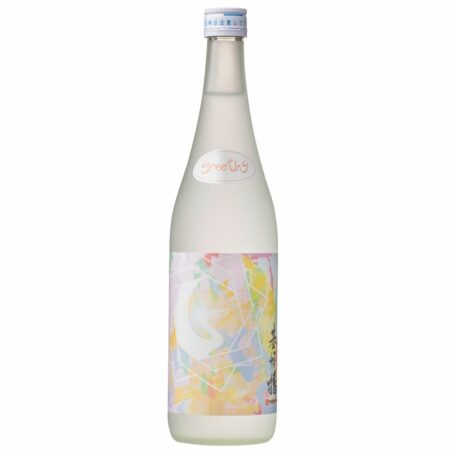
Sake Junmai Ginjo Greeting

41,00  TTC
Sake characterized by its freshness and salinity. Enjoy chilled or at room temperature.

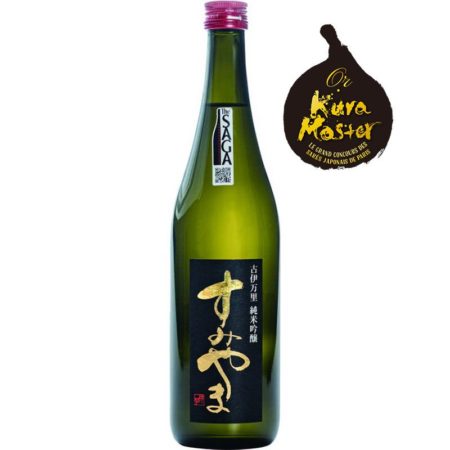
Sumiyama Junmai Ginjo Sake

39,90  TTC
Fruity, light, and very refreshing sake! It is very pleasant on the nose, with notes of melon, anise, and orange zest. The initial taste is surprising, with a hint of effervescence. The palate is pleasantly fruity (strawberry, melon, pineapple), enhanced by a light, refreshing acidity and cereal notes. This is a 100% local sake, produced with a Saga rice variety ("Saga-no-hana") grown right next to the brewery. It will delight both connoisseurs and novices.

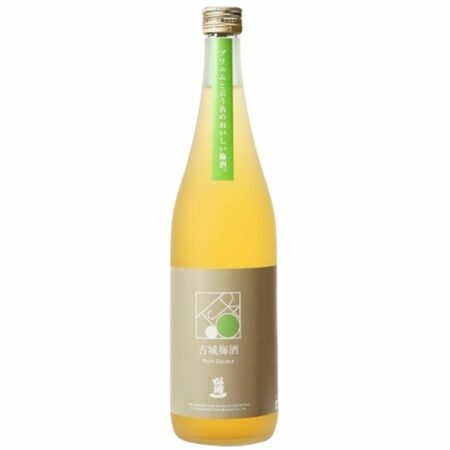
Matsuuraichi Kojiroume Umeshu Liqueur

Price range: 17,70 € through 79,00 € TTC
A subtle Umeshu, traditionally crafted with local Kojiroume plums macerated in junmai sake.
Select options This product has multiple variants. The options may be chosen on the product page

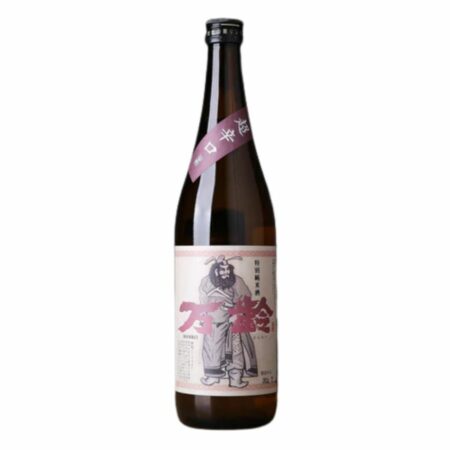
Junmai Manrei Dry Sake

36,50  TTC
A dry, fresh, and mineral sake with notes of apple, melon, dried fruit, and cooked rice.

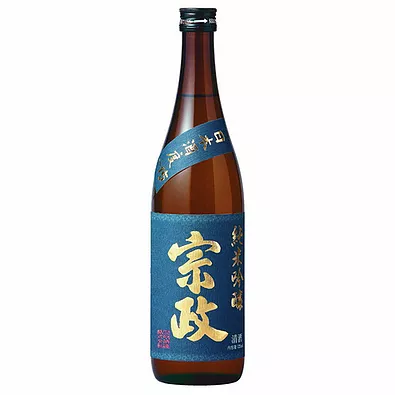
Ume Yoibito Umeshu Liqueur

33,20  TTC
A deliciously fruity plum liqueur with subtle almond notes. Smooth and round, it is enhanced by a hint of acidity that provides a pleasant freshness and a light sensation. This umeshu is made from green plums macerated in barley shochu (a traditional Japanese spirit), distilled on-site by Munemasa Brewery. It will delight guests as an aperitif or with desserts!

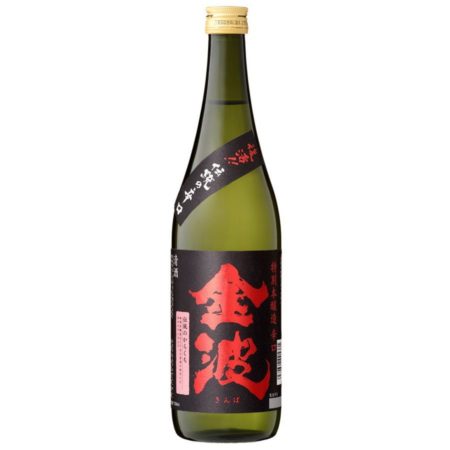
Kimpa Tokubetsu Honjozo Sake

28,00  TTC
A dry and spicy profile! The nose is powerful, tangy, and warm, with notes of cereals, cocoa, and mushrooms. On the palate, the attack is fresh, followed by a velvety texture and great intensity. Rice, spices, and hazelnut notes emerge. The finish is clean. An approachable sake that will be enjoyed whether chilled, at room temperature, or warmed.
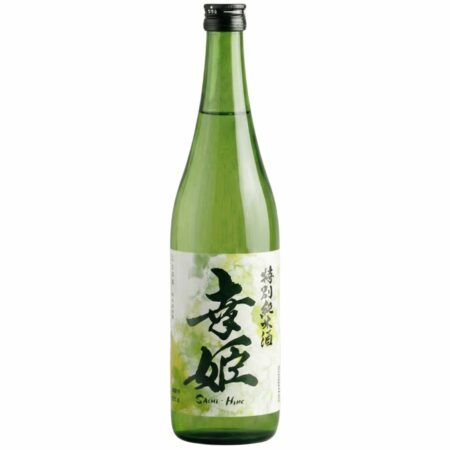
Sachihime Tokubetsu Junmai Sake

41,60  TTC
Fruity and mellow sake, with notes of apple, brown rice, and deep umami, and a slightly bitter, exotic finish.

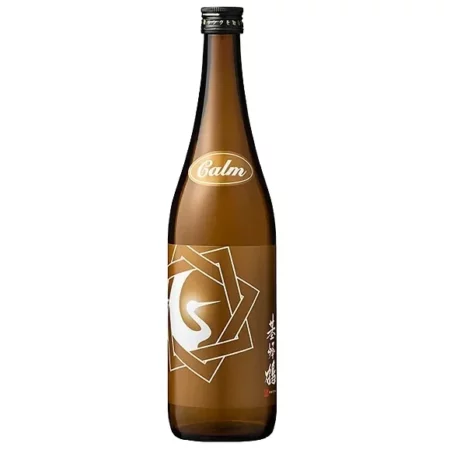
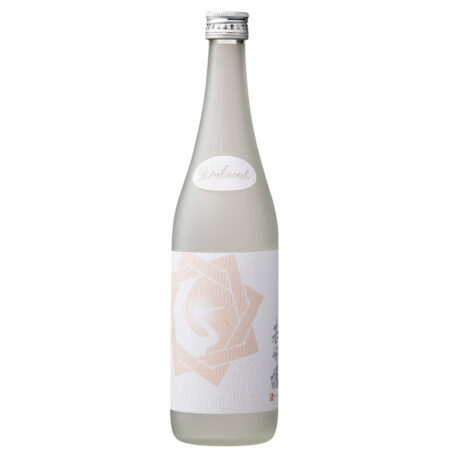
Sake Junmai Ginjo Velvet

42,00  TTC
A mellow, highly botanical sake: It features a slight bitterness accompanied by peppery and fruity notes that add vibrancy. It is a refined and elegant product, perfectly complementing French culinary classics.

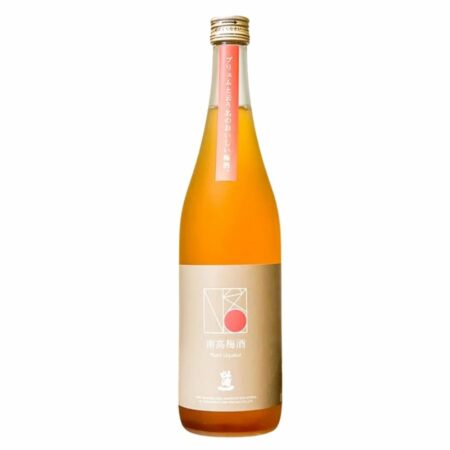
Matsuuraichi Nankobai Umeshu Liqueur
36,00  TTC
An elegant and delightful umeshu! Sweet and tangy, it is highly floral on the palate, adding a touch of delicacy to its powerful taste. It can be enjoyed neat or in cocktails, such as a Kir.

Sake Junmai Ginjo Sachihime Dear My Princess

38,00  TTC
A fresh, soft, and alluring nectar! On the nose, the aroma is intense, with notes of anise, cereal (bran), and licorice. On the palate, the attack is pleasantly mellow, retaining notes of anise, alongside a very fruity character. The finish is lightly peppery and mentholated. Pair with dishes or sip as an aperitif.

A question about GI Umeshu Wakayama? Contact his representative in France directly: contact@france-euro-development.com